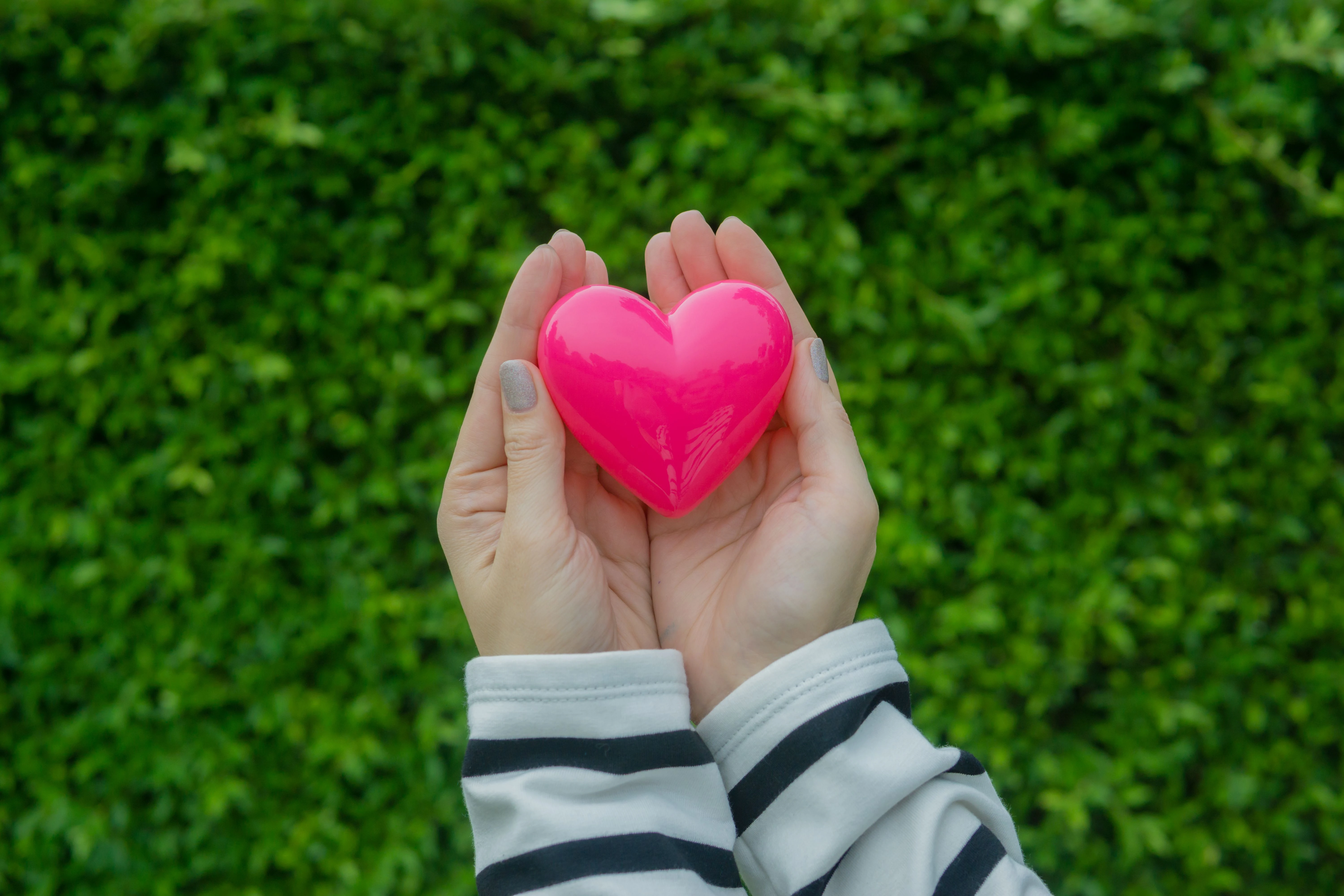
Do you treat others with kindness? Self-compassion means treating yourself with the same kindness, understanding, and care that you would offer a friend who is struggling or going through a difficult time.
Self-compassion can offer many benefits for both mental and physical health ( source ). People with higher levels of self-compassion report lower anxiety, stress, and depression. Those who treat themselves kindly after making mistakes tend to recover faster emotionally and are more willing to try again. While self-compassion may not come naturally to everyone, the good news is that it's a learnable skill.
Harvard psychologist Christopher Germer suggests ways to foster self-compassion through physical, mental, emotional, relational, and spiritual methods. Here are a few ways:
Taking care of your physical well-being is an act of self-compassion. Eating nutritious foods, taking a walk, getting enough rest, and engaging in activities that support your health are all ways to show yourself kindness.
If you have feelings of sadness or pain after a situation, try writing a letter to yourself that acknowledges your feelings. Facing your emotions with honesty and validating your experiences without self-blame can be a powerful form of self-compassion.
When something painful or challenging happens, pause and consider how you would respond to a friend in the same situation. Then, direct those same words of encouragement and understanding to yourself.
Observe your thoughts, feelings, and experiences without judging or trying to suppress them. Even when you notice something you do not like about yourself, try to respond with acceptance and compassion rather than criticism.
Small shifts in your daily habits can make a difference. Start by paying attention to your self-talk and noticing how you react to yourself after making a mistake. If you find that your inner voice is overly harsh, take it as a sign to soften your language and practice a little more self-compassion.
Most importantly, remember to be kind to yourself.